

Announcement of My New Series of Three Articles
I am thrilled to share with you my new series of articles on the topic of The Green Factory of the Future!
In the articles, I cover the five pillars of a closed-loop self-sustainable green factory of the future, the current trends, innovations and predictions in sustainable industrial development, and the future projections around the concept of the green factory of the future and the highly sustainable, holistic framework it is built around.
I also suggest the use of a new term coined by me, namely, the AOIID (Automate, Optimize, Innovate, Integrate, Decarbonize) model for sustainable industrial development. The approach of effectively implementing the five core pillars of the green factory of the future could be defined as the AOIID model for sustainable industrial development. By applying the AOIID model and by integrating cutting-edge emerging technologies, organizations can further elevate their environmental responsibility index and their eco-friendly performance.
This abbreviation can be adopted by the industry.
I will dedicate a separate article to the model.
In the first part of the series on the Green Factory of the Future, I cover the following points:
• The 4 R’s — “Reduce. Reuse. Recycle. Restart.”
• The 4 pillars of sustainability — economic, environmental, social, and cultural
• The 5 pillars of a closed-loop self-sustainable green factory of the future — “Automate. Optimize. Innovate. Integrate. Decarbonize.”
• The Automate pillar — “AI robotics, cobots, and autonomous systems with real-time sensors and M2M for hands-free adaptive production that cuts errors, energy use, and waste in closed-loop operations”
• The AOIID model for sustainable industrial development
In the second part of the series on the Green Factory of the Future, I cover the following points:
• The Optimize pillar — “highly connected, AI-powered ecosystems using digital twins, IoT, and machine learning for precise resource allocation, energy efficiency, and waste minimization”
• The Innovate pillar — “circular design principles, sustainable materials, and breakthrough technologies for adaptable production, water preservation, and closed-loop waste-to-energy systems”
• The Integrate pillar — “seamless digitalization via smart grids, predictive maintenance, blockchain-enabled supply chains, and real-time carbon tracking for full transparency and regenerative operations”
• The vision of tomorrow’s factory as a fully regenerative closed-loop system powered by the AOIID model for net-zero manufacturing and circular-economy leadership.
In the third part of the series on the Green Factory of the Future, I cover the following points:
• The Decarbonize pillar — the fifth pillar of a closed-loop self-sustainable green factory of the future
• Future trends and innovations, including hyper-automation, AI integration, digital twins, greentech, and circular economy principles
• Virtual Twin Technology as a game-changer for connecting physical and virtual ecosystems
• The vision for tomorrow’s lean, digital, green factory is rooted in the 4 R’s — “Reduce. Reuse. Recycle. Restart.”
Below you can find the links to parts 1, 2 and 3 of the series on DELMIA’s website.
The Five Pillars of the Closed-Loop Green Factory: A Vision for the Future:
https://blog.3ds.com/brands/delmia/the-five-pillars-of-the-closed-loop-green-factory-a-vision-for-the-future/
Tomorrow’s Factory: Envisioning the Future of Manufacturing:
https://blog.3ds.com/brands/delmia/tomorrows-factory-envisioning-the-future-of-manufacturing/
Future Trends and Innovations for a Green Factory:
https://blog.3ds.com/brands/delmia/future-trends-and-innovations-for-a-green-factory/
The key pioneering points across the three-article series on the Green Factory of the Future are:
• AOIID model (Automate, Optimize, Innovate, Integrate, Decarbonize) as the foundational framework for closed-loop, self-sustainable, regenerative factories that mimic natural ecosystems to achieve net-zero emissions and actively restore the environment.
• Hyper-automation and AI-orchestrated robotics/cobots with real-time sensors, M2M communication, and digital/virtual twins for hands-free, error-free production, predictive maintenance, and precise resource/energy optimization.
• Circular economy via the 4 R’s (Reduce, Reuse, Recycle, Restart) powered by innovative sustainable/bio-engineered materials, waste-to-energy systems, and blockchain-traced supply chains for full resource regeneration.
• Game-changing virtual twin technology integrated with IoT, AI, smart grids, and CCUS for risk-free simulation, real-time carbon tracking, and data-driven decarbonization across the entire value chain.
You can read the three complete articles here:
The Five Pillars of the Closed-Loop Green Factory: A Vision for the Future
In this article, I will address the first of my 3-part series as I explore the green factory of the future. Here I will introduce the five foundational pillars of a closed-loop, self-sustainable system: Automate, Optimize, Innovate, Integrate and Decarbonize. I will then deep-dive into the first pillar, Automate.
Imagine a regenerative factory — a living system where technology, nature and people co-engineer prosperity for generations to come. A green factory of the future that mirrors the intelligence of natural ecosystems, replicating their efficiency, adaptability and circular flow of resources. A factory that pioneers new operational models, enabling it to run like an ecosystem.
Envision a factory that transcends traditional architecture — a green factory of the future, which is no longer confined to bricks and mortar, but built from biological foundations. A factory that mimics biological models and processes, where synthetic biology and biomimicry serve as its building blocks. A factory that operates sustainably by using nature as both mentor and model, striving not just for net-zero emissions, but for a regenerative state where industrial activity and business operations actively contribute to restoring the climate, environment and ecological balance.
Does this regenerative, closed-loop, self-sustainable green factory of the future sound too visionary and aspirational? How long will it take for factories to evolve beyond sustaining operations to achieving regeneration—creating systems that restore, renew, and enrich the world around them?
In this article, I will address the first of my 3-part series as I explore the green factory of the future. Here I will introduce the five foundational pillars of a closed-loop, self-sustainable system: Automate, Optimize, Innovate, Integrate and Decarbonize. I will then deep-dive into the first pillar, Automate.
The Green Factory of the Future
While industries are in a race to deploy and integrate Artificial Intelligence (AI) across every aspect of business, the manufacturing industry is on the hunt for a radical redesign and reconsideration of the factory as it is. This fundamental shift is long-awaited and needed. Manufacturing is currently being shaken by a bold novel concept of a modern intelligent reformation of all aspects of the production flow, value chain and factory essence, organization and structure. These innovative ideas shape the notion of the green factory of the future. The green factory of the future is based on the idea of achieving a closed-loop self-sustainable regenerative factory via the reduction of energy usage, smart waste management, circular design, innovations around new sustainable materials, decarbonization practices powered by zero-emission advancements and renewable energy sources, full automation and intelligent digitalization through integration of real-time data-driven solutions.
The innovation across every aspect of the production flow focuses on optimizing the entire process and manufacturing chain through intelligent automation, AI and advanced robotics. The optimization and redesign of operations focus on improved safety, increased productivity and greater system and production accuracy. The aim is to transform the manufacturing industry towards a circular economy, zero waste, and zero emission. The principles around which the concept of the green factory of the future is developed, are defined by the 4 R’s—Reduce, Reuse, Recycle, and Restart.
The operational optimization of all workflows, procedures, and processes relies on real-time data analytics to minimize water usage, energy consumption and waste production. The adoption of the latest technologies for sustainable resource management aids factories in embracing more and more sustainable materials. Based on the principles of circular economy, a strong trend towards extended product lifecycles is emerging. The advancement towards the green factory of the future is powered by continuous, steady innovation, supported by the development of integrated, flexible production systems, closed-loop systems, systems targeted at near-zero emissions, and the intensified use of pioneering low-carbon materials.
Given the four key areas of sustainability—economic, environmental, social, and cultural—the green factory of the future can be built around them as a holistic framework to achieve balance among these interrelated domains. The integration of a holistic approach, grounded in the four pillars of sustainability, can contribute to a greener, more robust, and brighter future and help address some of the complex challenges that impede the realization of a more sustainable world.
The 5 pillars of a closed-loop, self-sustainable green factory of the future are:
- Automate – by leveraging AI and advanced robotics to boost productivity and efficiency;
- Optimize – by limiting resource consumption and by minimizing energy use and waste;
- Innovate – by developing new sustainable materials and new production methods;
- Integrate – by connecting and automating digital systems aiming for data-driven smart operations;
- Decarbonize – by focusing on the reduction of emissions through circular principles, renewable sources and renewable energy.
Automate
The first closed-loop pillar, Automation, enables manufacturers to rethink and re-evaluate factory operations by leveraging the latest emerging technologies. AI, robotics, and smart sensors unleash the power of innovation for cleaner production, greater precision, improved safety and efficiency, optimized supply chains and minimized resource consumption and waste. The road to green manufacturing and sustainable manufacturing is now more attainable than ever with the deployment of innovative solutions.
The green factory of the future fosters the latest emerging technologies and groundbreaking innovations to embrace a holistic approach to sustainable, environmentally friendly development and transformation, benefiting not only the environment but also manufacturing competitiveness, success, and profitability. The future green factory has key characteristics – it is interconnected, sustainable, efficient, modular, agile and relies on a high level of flexibility and adaptability in operations and processes. The convergence of the latest technological developments –from IT elements (such as artificial intelligence in manufacturing, augmented reality, virtual reality, 5G, cloud computing, edge computing, etc.) to new OT devices (such as additive manufacturing, advanced industrial robots, cobots, computer vision, haptic feedback, autonomous transportation, etc.), are allowing a streamlined intelligent factory automation to take place. The strategic advantage of Industry 4.0 is to push the industrial landscape toward full automation and digitization by smartly linking the physical aspects of manufacturing, supply chain, and engineering with the intangible business aspects – processes, systems, operations and data. This unprecedented revolutionary alteration of manufacturing and factories is rooted in the strategic implementation of the most trending technologies. Artificial intelligence, robotics and smart connectivity are ushering in overall optimization and improvement across all manufacturing processes and factory design.
AI is being implemented in the green factory of the future to empower real-time predictive and preventive maintenance of systems and processes by constantly analyzing data from smart sensors. Automation and robotics are being integrated to ensure smooth, streamlined handling of production tasks and to monitor and optimize production accuracy, reliability, and uniformity on the go. This potent blend of innovative technologies, along with the deployment of modern solutions for manufacturing and supply chain, is transforming the industry on the path to the future – striving to achieve more efficient production for the economy and to lower the emissions footprint.
AI has unparalleled advantages when deployed in the green factory of the future, as when combined with robotics and smart sensors, it is able to analyze big amounts of data from the sensors in real-time. This enables the prediction of equipment issues and failures, the identification of potential bottlenecks and delays, the planning of supply, inventory, and resource distribution and the optimization of production schedules, worker schedules, etc. In a smart factory, AI simplifies and streamlines distributed decision-making based on data analytics and predictions, and also empowers and enables more adaptable, compliant, flexible, and adjustable manufacturing based on real-time production needs and market demand.
As discussed in my previous articles, robotics in manufacturing and supply chain are deployed to improve safety, optimize accuracy and reliability, and to handle dangerous, hazardous and repetitive tasks, or critical tasks requiring a greater level of precision than when performed by humans. Additionally, to improve sustainability in manufacturing, robotics can be engineered to be more power-efficient, eco-friendly, low-carbon, energy-saving, and fuel-efficient. This adaptability in industrial robotics design correlates with the growing need to transform manufacturing into a more environmentally responsible, energy-efficient and low-emission sector.
The smart sensors in the green factory of the future are of a great benefit, as they are able to constantly collect, analyze and deliver real-time data on the state of processes and operations, and on the immediate operational status, availability, uptime, current condition of production machines, along with their valuable performance metrics. These sensors, powered by IoT and IIoT, help eliminate the risk of failures and identify and reduce system interruptions, downtime and idle time. Moreover, smart sensors enable predictive maintenance when combined with AI and robotics. By analyzing and interpreting sensor data in real time, actionable recommendations can be generated to identify, detect and diagnose equipment issues and potential machinery repair needs, which, if left unresolved, could lead to wasted time, resources, and even the loss of capital.
When leveraged in the green factory of the future, automation can truly unleash the full potential of AI, robotics, smart sensors, and other emerging technologies, such as digital twins, 3D printing, augmented reality, virtual reality, extended reality, 5G, cloud computing and blockchain.
Automation in a smart factory integrates all components, elements and aspects of the production system; thus, it encompasses the entire manufacturing environment. Such automation is extremely useful, as it leverages AI analytics and collected sensor data to control automated equipment, machinery, and robotics (robotic process automation) in the factory, thereby improving effectiveness, productivity, and adaptability in manufacturing.
Tomorrow’s Factory: Envisioning the Future of Manufacturing
When the five pillars of a closed-loop self-sustainable green factory – Automate, Optimize, Innovate, Integrate, and Decarbonize – are applied to the concept of the factory of the future and are integrated accordingly in the planning, construction, design and organization of a plant, the result is a highly operative, robust, agile and regenerative manufacturing ecosystem. The focus of such a future-ready ecosystem is on supporting both the industry and nature.
After successfully implementing the five pillars of the green factory of the future, a higher index of environmental sustainability in industrial operations can be achieved by integrating other innovative developments based on emerging technologies. DELMIA’s solutions for manufacturing sustainability offer groundbreaking innovations with virtual twin technology and can transform and modernize industrial operations and factory organization. DELMIA’s solutions not only streamline and facilitate manufacturing processes, but also enable the connection of real and virtual value networks within the industry.

Tomorrow’s Factory: Envisioning the Future of Manufacturing
This article delves deep into optimization, innovation and integration. These principles are essential to unlocking the full potential of sustainable manufacturing and driving meaningful progress toward a regenerative future.
The green factory of the future represents a transformative, sustainable framework that redefines and revitalizes manufacturing and industrial engineering. This forward-thinking innovation positions the manufacturing industry as a key driver of environmental regeneration, paving the way for a more sustainable and resilient future.
The concept of the green factory of the future and the highly sustainable holistic framework the notion presents would fundamentally transform and renovate manufacturing and industrial engineering in the near future. Additionally, such innovation and forward-looking revolutionization would position the manufacturing industry as the future driver for environmental regeneration.
In my previous exploration of the green factory of the future, I introduced the five foundational pillars of a closed-loop, self-sustainable system: Automate, Optimize, Innovate, Integrate and Decarbonize. While the first pillar, Automate, has already been discussed, this second article delves deeper into the next three pillars: Optimize, Innovate and Integrate. These principles are essential to unlocking the full potential of sustainable manufacturing and driving meaningful progress toward a regenerative future.
Optimize
The green factory of the future is a highly connected, automated, and energy-efficient ecosystem, driven by the transformative power of digital innovation. By leveraging AI and other advanced technologies, these factories achieve optimized sustainability performance and energy-efficient manufacturing systems. Automation and real-time data play a pivotal role in monitoring and improving resources and systems. Technologies such as digital twins, augmented reality (AR), IoT sensors, AI analytics, machine learning (ML), automated guided vehicles (AGVs), robots, and cobots enable precise, data-driven decision-making. This empowers factories to predict production and equipment needs, identify inefficiencies, fine-tune processes, and achieve optimal sustainability and cost efficiency while monitoring the performance of the entire system. Real-time data enhances resource allocation, reduces energy and water consumption, and minimizes waste generation.
By integrating automation, AI, and emerging technologies, factories not only lower operational costs but also ensure compliance with evolving environmental regulations. This adaptability positions manufacturers to respond effectively to fluctuating market demands and industry challenges. Optimizing resources and consumption is essential for reducing carbon footprints and preserving the environment. These measures not only boost environmental sustainability but also enhance competitiveness, strengthen industry positioning, and attract environmentally conscious customers and stakeholders.
The green factory of the future optimizes resources through the intelligent integration of innovative technologies, automation, renewable energy adoption, closed-loop systems, and circular-economy principles. Strategies include deploying energy-efficient machinery, reprocessing water, recycling resources, and embracing disruptive innovations in raw materials and factory construction. By redefining operational excellence, manufacturers can meet the growing demand for reduced waste and resource consumption, paving the way for a cleaner, more sustainable future.
Innovate
Innovation is the cornerstone of the green factory of the future, enabling greener and more sustainable manufacturing practices. Achieving this vision requires implementing groundbreaking technologies, intelligent automation, circular design principles, and sustainable materials. By advancing factory organization to support adaptable and flexible production systems, manufacturers can unlock higher levels of sustainability. Key strategies include energy conservation, water preservation, and waste management.
Waste reduction is achieved through process optimization, lean manufacturing practices, and the adoption of closed-loop systems that enable recycling and reprocessing of materials. Supply chain improvements, such as transportation optimization and the use of sustainable materials, further minimize waste. Regular assessments and audits help identify waste-generating practices, while waste-to-energy conversion technologies and recycling programs enhance waste management.
Advanced technologies for real-time monitoring, leakage detection, and efficient water usage drive water conservation. Factories can implement systems to collect, manage, and reprocess wastewater, as well as adopt innovative methods such as rainwater harvesting. Installing water-efficient technologies further supports sustainable water management.
Energy efficiency is achieved through the adoption of renewable energy sources, energy-efficient equipment, and optimized factory designs. Digital twins and virtual production simulations streamline processes, while AI and IoT-based intelligent control systems track and improve energy consumption. Preventive maintenance and energy management systems further enhance energy efficiency, ensuring a sustainable and cost-effective operation.
The green factory of the future also extends its commitment to sustainability across the supply chain. By collaborating with environmentally responsible partners, reducing transportation emissions, and sourcing materials from ethical suppliers, manufacturers can nurture sustainable practices throughout their value chains. This holistic approach ensures that the green factory of the future not only transforms its own operations but also drives positive change across the entire manufacturing ecosystem.
Integrate
To shape a future-ready, sustainable manufacturing model, the green factory of tomorrow must embrace full digitalization and leverage advanced technologies such as digital twins, AI, IoT networks, augmented reality and smart grids. These innovations redefine sourcing and supply efficiency, reduce environmental impact and enhance economic performance. By integrating these transformative technologies, green factories unlock unprecedented capabilities, including predictive maintenance, transparent supply chains and optimized production processes. This seamless convergence of innovation and sustainability empowers manufacturers to lead with precision, responsibility, and resilience.
The integration of digital twins and IoT networks enables factories to identify inefficiencies and address waste in real time. Digital twins—highly accurate virtual replicas of factories and operations—offer a groundbreaking advantage by simulating complex scenarios using real-time data from IoT-connected smart sensors. These sensors provide a continuous stream of critical information from machines and systems, enabling digital twins to test production variables, operational adjustments, and more within a secure virtual environment. This capability allows manufacturers to optimize workflows, fine-tune equipment settings, and refine factory layouts without disrupting real-world operations. The ability to test virtually ensures safety, control and risk-free implementation. Furthermore, green digital twins provide a powerful tool for tracking carbon footprints and assessing environmental impact, driving sustainable practices with precision.
Smart grids further enhance the green factory of the future by revolutionizing energy management. By connecting to smart grids, factories can dynamically adjust energy consumption in real time based on current energy costs and grid conditions. This integration enables the use of renewable energy sources, improves energy efficiency, and automates energy usage across operations. The result is not only reduced operational costs and minimized expenses but also a stabilized local energy grid, contributing to a more sustainable energy ecosystem.
One of the most transformative benefits of digital twins and IoT sensors is their ability to enable predictive maintenance. This powerful combination delivers data-driven insights that revolutionize traditional equipment maintenance practices. By identifying potential issues before they escalate, manufacturers can extend machinery lifespan, reduce energy and material consumption, and avoid unnecessary repairs or replacements. Predictive maintenance also prevents production disruptions, faulty manufacturing, and the emissions and waste associated with equipment failures and defective products. This proactive approach ensures operational continuity while advancing sustainability goals.
Another critical advantage of a smarter, greener factory is the ability to achieve transparent supply chains. Emerging technologies such as IoT networks and blockchain provide end-to-end visibility into the condition of products and resources throughout the supply chain. This transparency allows manufacturers to trace materials to their origins, ensuring ethical sourcing and sustainable practices. Additionally, intelligent supply chains enable seamless data sharing with stakeholders, including regulators, customers, and investors, fostering trust, loyalty, and informed decision-making. Transparent supply chains also support the adoption of circular economy principles, enabling manufacturers to monitor product lifecycles and develop innovative strategies for recycling, reusing, and repurposing materials. This shift toward circular practices not only reduces waste but also positions manufacturers as leaders in sustainable innovation.
By embracing these advanced technologies and practices, the green factory of the future becomes a model of efficiency, sustainability and innovation, setting a new standard for responsible manufacturing.
Tomorrow’s Factory: Envisioning the Future of Manufacturing
The green factory of the future embodies a fully regenerative, closed-loop system designed to operate with near-zero environmental impact. Achieving this vision requires a bold transformation—drastically reducing energy consumption, adopting sustainable materials, applying circular design principles across processes and product lifecycles, leveraging fully automated, data-driven digital ecosystems, implementing smart waste and resource management and achieving complete decarbonization through renewable energy and zero-emission technologies. These transformative principles are captured within the five pillars of a closed-loop, self-sustainable green factory: Automate, Optimize, Innovate, Integrate and Decarbonize. By embracing these pillars and integrating advanced emerging technologies, organizations can elevate their environmental responsibility and drive exceptional eco-friendly performance.
DELMIA’s manufacturing sustainability portfolio empowers organizations to accelerate their journey toward net-zero and regenerative operations. With transformative capabilities, DELMIA enables manufacturers to modernize, streamline and reimagine not only factory processes, design and layouts but also entire value chains. This is achieved with unparalleled precision, agility, and accuracy, ensuring a future-ready approach to sustainable manufacturing.
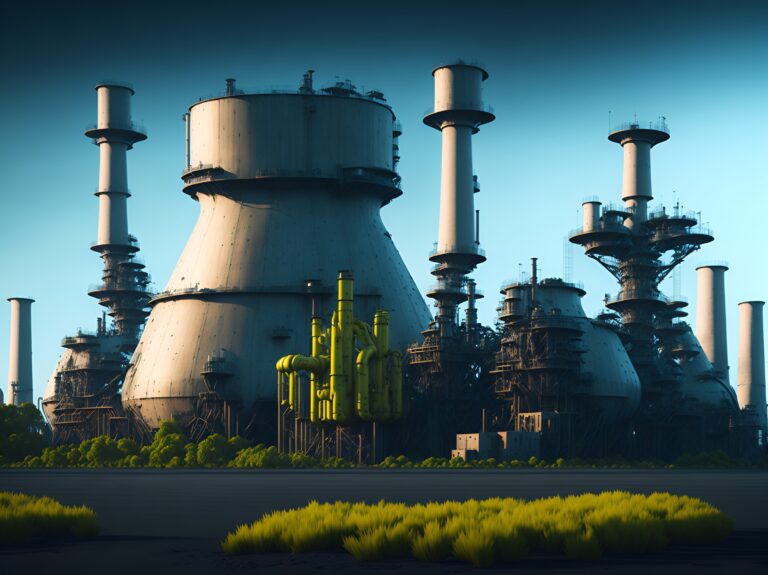
Future Trends and Innovations for a Green Factory
In my previous two articles, in part 1 and part 2, I delved into the first four pillars of a closed-loop, self-sustainable green factory of the future – Automate, Optimize, Innovate and Integrate. In this article, I examine the final pillar of the green factory of the future.
The green factory of the future presents a fresh, unprecedented opportunity for the manufacturing industry to give back to the environment and to reconsider and reimagine how factories function and operate. The implementation of the five pillars of a closed-loop, self-sustainable, green factory of the future – Automate, Optimize, Innovate, Integrate, and Decarbonize – not only optimizes manufacturing efficiency and reduces industrial resource consumption, but also pushes industry progress forward by enabling the connection between physical and virtual ecosystems. Connected physical and virtual value networks empower resilience, collaboration and unremitting advancements and improvements within the industrial landscape.
Decarbonize
A substantial part of the concept of the “green factory of the future” is decarbonization. The reimagined smart factory of tomorrow envisions manufacturing rooted in reducing environmental impact and harm. A steady transition to low-carbon materials and supplies, renewables and closed-loop systems can achieve this desired model. Such measures can radically alter and modernize production processes and, as a result, evolve the concept of the “green factory of the future” into a global norm. For example, Carbon Capture, Utilization, and Storage (CCUS) technology can be deployed to reduce on-site CO2 emissions. Another solution to reduce carbon emissions is to pursue regenerative factory design. Such a design mimics nature and is intended to construct the factory like an ecosystem, for example, by providing functionality to absorb carbon and collect rainwater.
Trends and Innovations
The green factory of the future is driven by digital technologies, paving the way for sustainable manufacturing and the ambitious goal of achieving zero emissions. Key trends in this transformative field focus on embedding sustainability into manufacturing and supply chains. These include adopting circular economy principles, integrating renewable energy sources, deploying energy-efficient equipment, and embracing cutting-edge sustainable innovations. The emphasis is on ecological and environmental sustainability across the entire industrial ecosystem—from production to logistics and transportation. These advancements aim to create holistic, environmentally responsible factory designs, conserve materials, and reimagine production operations to minimize waste and preserve resources.
Technological innovations are at the forefront of this evolution, encompassing hyper-automation, AI integration in production, smart factory advancements, digital twins, virtual simulation solutions, and blockchain technology. These advancements enable manufacturers to optimize processes, enhance precision, and reduce environmental impact. Trends in workplace and production design emphasize ergonomic layouts, sustainable materials, modular and distributed production floor designs, and improved lifecycle management. Collaboration within a holistic value network and workforce development are also critical, highlighting the need for industry-wide partnerships and specialized skills to support this transformation. Resource and energy management trends focus on improving energy efficiency, water and waste management, and integrating renewable energy through innovative technologies.
Another notable trend in the industry is “greentech,” also known as “cleantech” or “environmental technology.” This innovation merges technology and science to reduce human impact on nature and preserve natural resources. Greentech spans a wide array of advancements, including green building and construction, energy efficiency, waste reduction and management, sustainable agriculture, eco-friendly transportation and logistics, renewable energy solutions, and tools for ecological monitoring and analysis.
Despite the growing momentum for sustainable manufacturing and green technologies, significant challenges remain. Resistance to modernization, limited understanding of green factory principles, high costs of redesigning manufacturing facilities and supply chains, a shortage of skilled workers and inconsistent local policies are key barriers. Additionally, technological and infrastructure limitations, as well as complexities in managing green supply chains, present further obstacles. Overcoming these challenges will require a concerted effort across industries, governments, and communities to realize the full potential of the green factory of the future.
Predictions Toward Sustainability
The factory of the future is lean, digital, and green—a harmonious integration of advanced automation, circular economy principles, and renewable energy. This vision redefines manufacturing as a highly connected, data-driven, and resource-efficient ecosystem.
The key future trends include further advancement in the levels of automation in manufacturing and the supply chain, driven by advanced technologies and latest innovations. Hyper automation will rise, with more automated systems and industrial robotics being deployed.
The future of manufacturing is marked by the rise of hyper-automation, where advanced technologies and industrial robotics transform production and supply chains. Predictions point to a shift toward sustainable, eco-friendly, and resource-efficient manufacturing, prioritizing environmental stewardship and worker well-being.
Next-generation solutions will focus on reducing energy consumption and waste during production. Innovations such as additive manufacturing (3D printing), biomanufacturing, synthetic biology, and bio-engineered materials will play pivotal roles. Technologies like automated systems, advanced robotics (AGVs and cobots), AI, IoT, IIoT, smart sensors, digital twins, and machine learning will further revolutionize the green factory landscape.
Tomorrow’s Factory: Reduce, Reuse, Recycle–& Restart
The principles around which the concept of the green factory of the future is developed, are defined by the 4 R’s — reduce, reuse, recycle and restart.
The industrial sector, which includes manufacturing, mining, construction, and food processing, is responsible for approximately 30% of global greenhouse gas (GHG) emissions, according to data from the U.S. Environmental Protection Agency (EPA), the Intergovernmental Panel on Climate Change (IPCC), and Rhodium Group. The manufacturing sector alone accounts for 12% of global GHG emissions, according to data from the EPA’s Inventory of U.S. Greenhouse Gas Emissions and Sinks. These greenhouse gas (GHG) emissions mainly come from burning fossil fuels to generate energy and from chemical reactions during the production of goods from raw materials. For the U.S., the data shows that the industry sector is responsible for nearly 23% of direct U.S. greenhouse gas emissions. In comparison, the manufacturing sector alone accounts for around 12% of U.S. emissions.
In response to these challenges, the concept of the green factory of the future emerges as a transformative solution. Rooted in sustainability, resource efficiency and circular economy principles, this vision is encapsulated by the “4 R’s”: Reduce, Reuse, Recycle, Restart. The foundation of this concept lies in five pillars: Automate, Optimize, Innovate, Integrate and Decarbonize. Embedding these principles into factory design, construction and operations results in a robust, agile and regenerative manufacturing ecosystem that sustains both industry and the planet.
The green factory of the future can be achieved through the application of circular economy principles, IoT sensors, cloud computing, automation (RPA), robotics, digital twins, AI, machine learning, and predictive analytics. These technologies enable manufacturers to optimize processes, reduce waste, and enhance energy efficiency.
The industrial sector is gradually transitioning toward circular manufacturing, supply chains, and product development. This shift emphasizes collaboration within a holistic value network, where manufacturers and stakeholders work together to keep materials in circulation and improve resource management.
Virtual Twin Technology: A Game-Changer
Innovative solutions such as virtual twin technology are revolutionizing industrial operations toward a sustainable future. By connecting the virtual and real worlds, manufacturers can model, optimize and perform within value networks. DELMIA’s leading solutions for manufacturing empower manufacturers to achieve unparalleled levels of efficiency and sustainability.
DELMIA’s Virtual Twin technology integrates AI, augmented reality and interactive 3D technology to create actionable digital models. These models enable manufacturers to optimize processes, reduce emissions, minimize waste and embed recycling into operations. Predictive analytics and real-time monitoring further enhance energy efficiency and decarbonization efforts. By fine-tuning systems virtually before real-world deployment, DELMIA ensures precision and impact, helping manufacturers exceed environmental standards.
A Greener Tomorrow
The green factory of the future offers a promising vision of a regenerative, closed-loop, self-sustaining manufacturing ecosystem. While this concept may seem aspirational, it represents a critical step toward a greener, healthier environment. The question remains: How long will it take for factories to not only achieve sustainable operations but also embrace regenerative practices that give back to the planet?